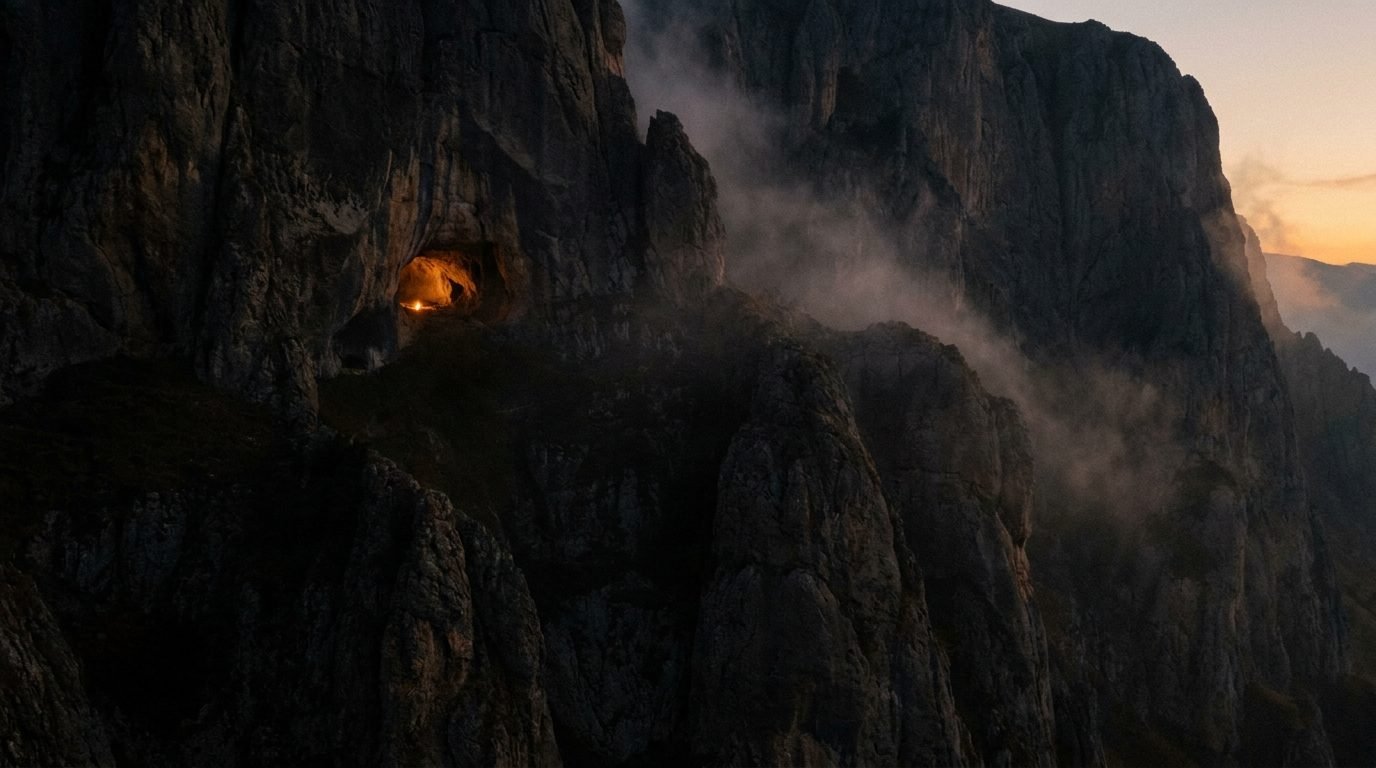
Artvin, North-Eastern Türkiye — 41.18° N
The mountain keeps it. Once a year, we ask.
Wild honey from a cave 2,500 metres above the valley floor — recognised by Guinness World Records as the most expensive honey on earth.
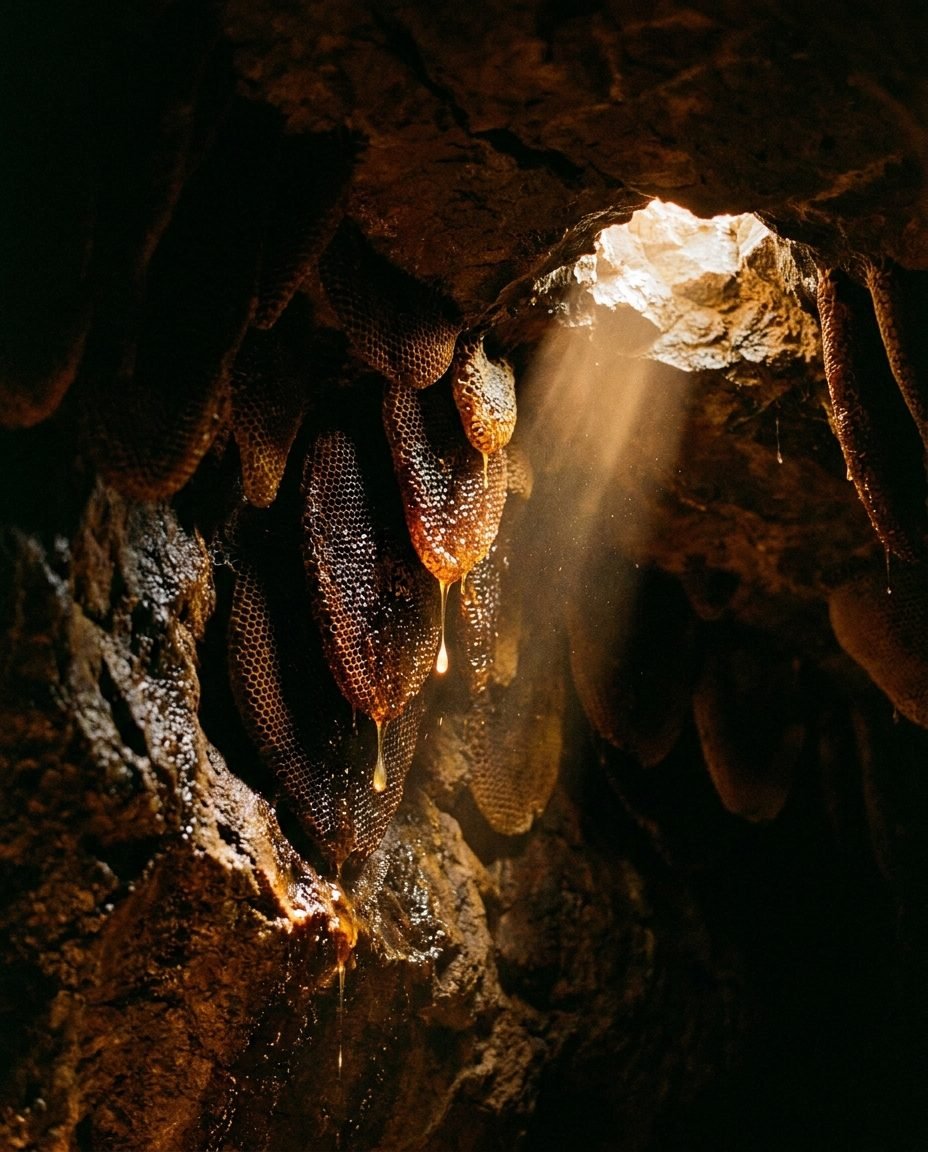
The Cave — 2,500 m
Darkness is an ingredient.
High above the tree line, the bees choose the rock.
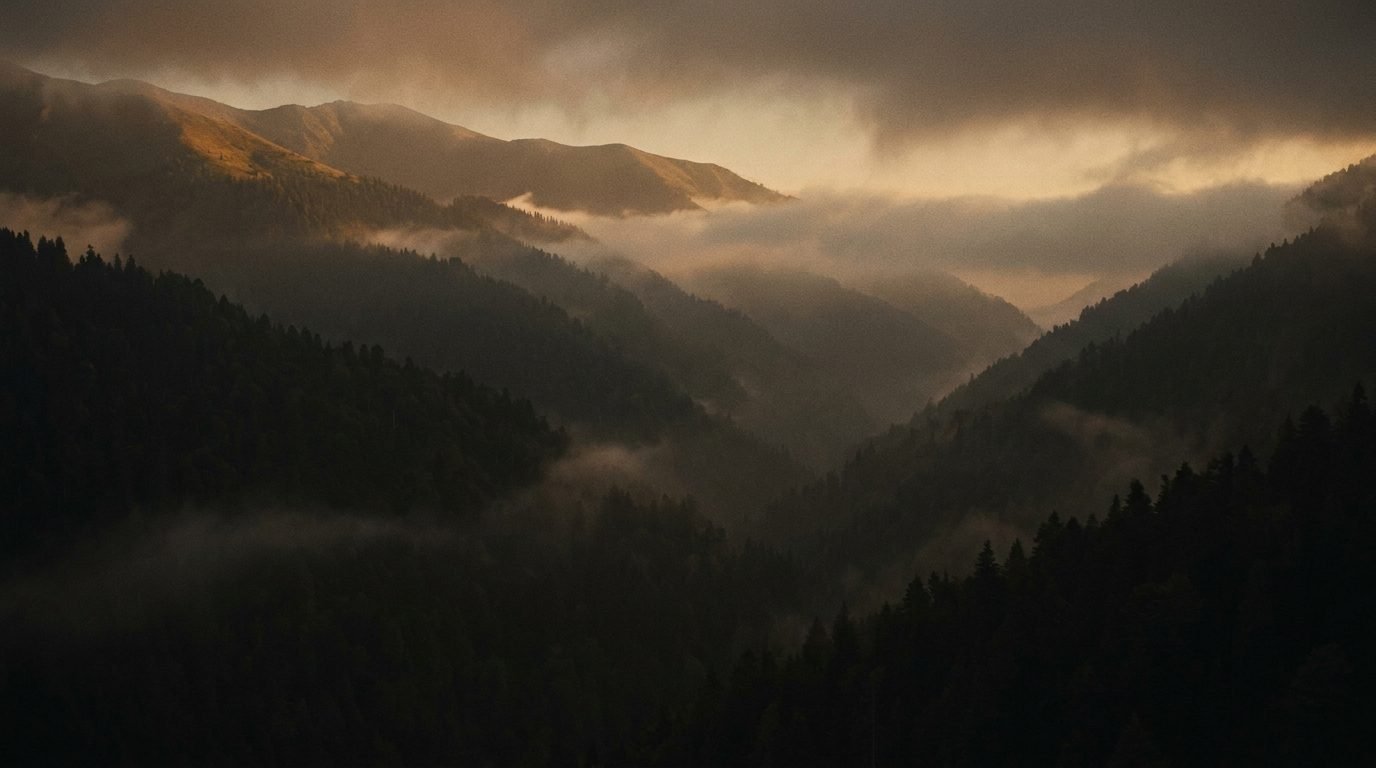
The colonies nest in mineral caves cut into the face — beyond farmland, beyond pesticide drift, beyond roads. Their nectar comes from endemic alpine flora that grows nowhere else, and the cave’s constant cold cures the comb slowly, over a full year of silence.
What forms in that darkness is nothing like table honey: dark, bitter, mineral — closer to stone than to sugar.
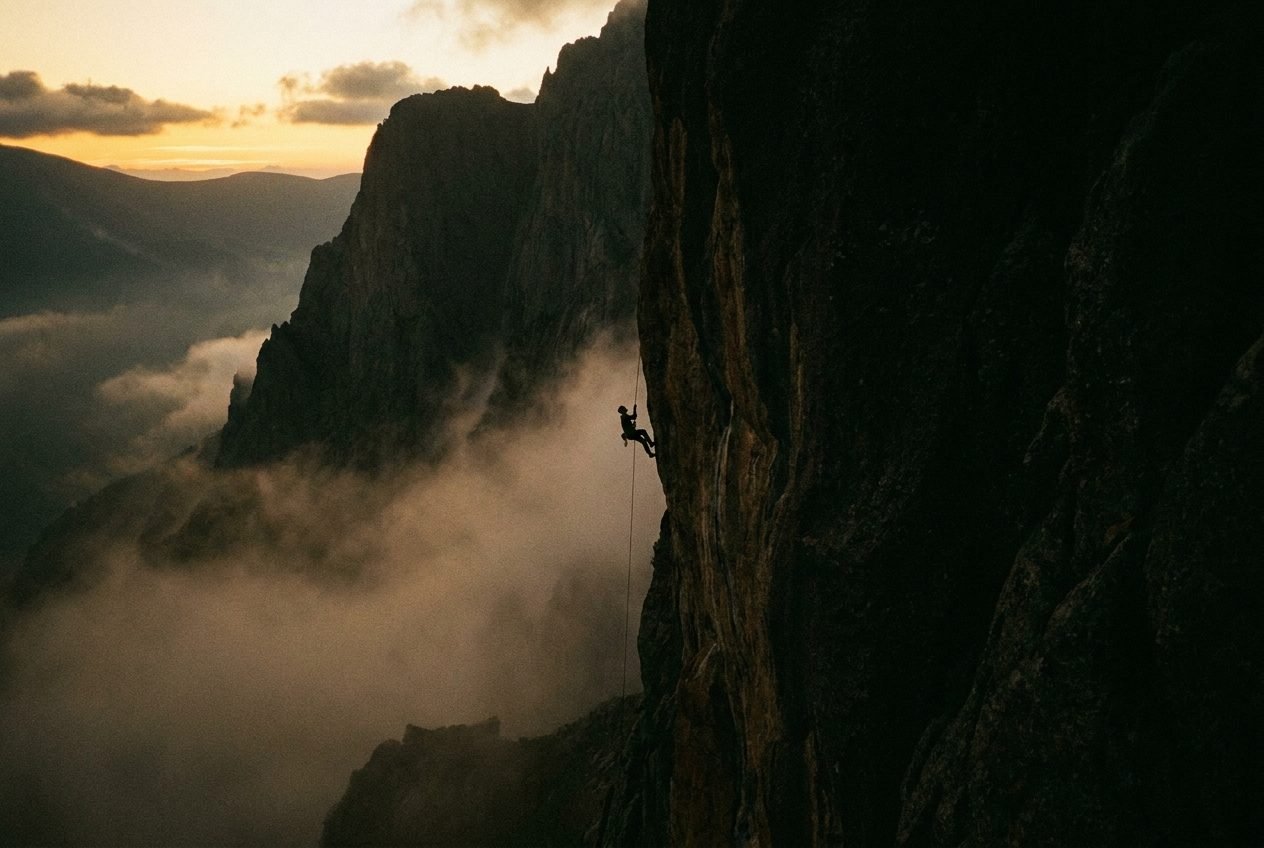
The Harvest — once a year
A year of patience.
A day of rope.
-
I12 months
The wait
The colonies are left entirely alone — no feeding, no smoke, no treatment. The cave decides what survives.
-
II2,500 m
The climb
A rope team ascends the face at first light, before the wind crosses the ridge.
-
IIIBy hand
The cut
A small share of wild comb is taken by hand. The colony keeps its winter store — always.
-
IVEvery batch
The proof
Every batch descends the mountain to an independent laboratory before a single jar is filled.
The Laboratory — the valley, 550 m
Scarce, and provably so.
Altitude, darkness and endemic flora leave a chemical signature.
Cave honey matured at 2,500 metres carries a density of phenolic compounds and minerals that ordinary honey never approaches. It is not a story we ask you to believe — it is a set of numbers we measure, print and seal with every batch.
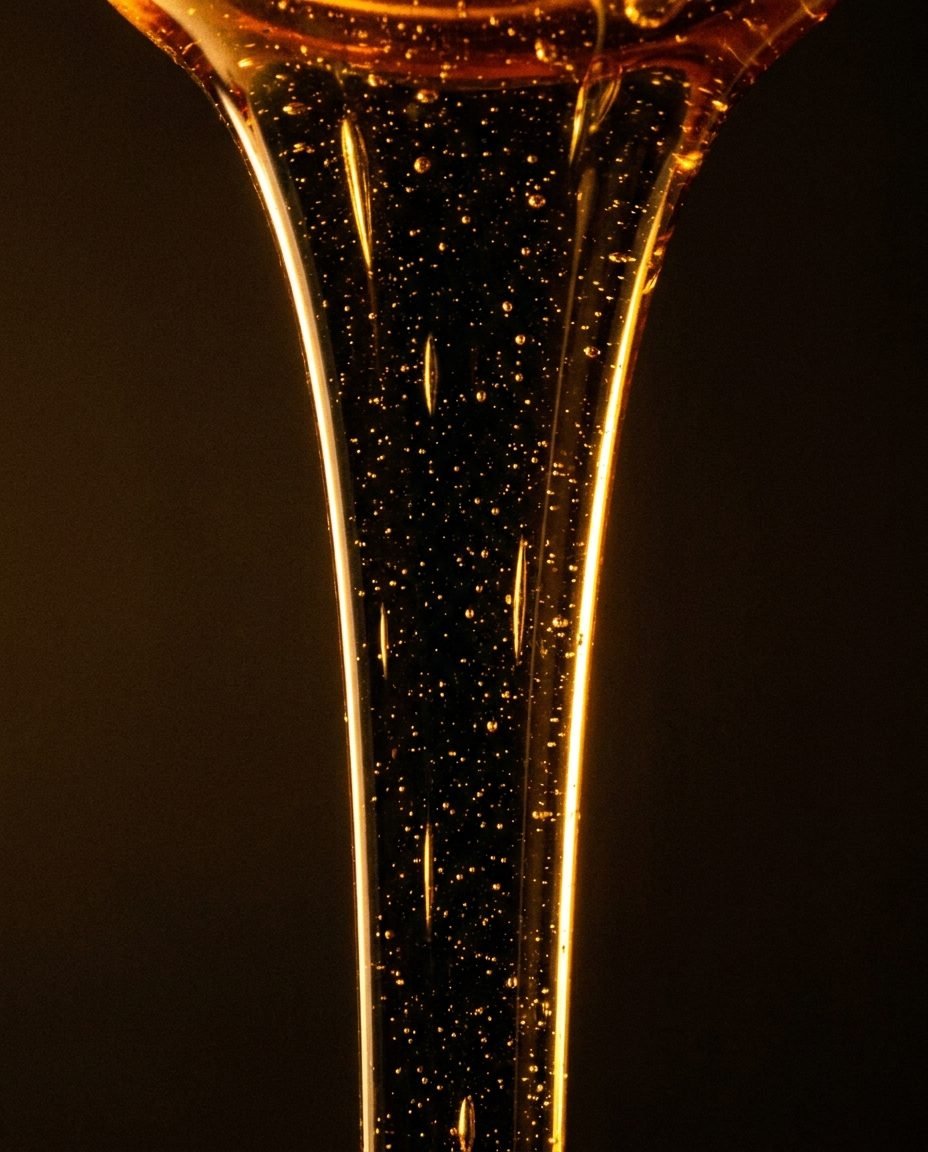
The Allocation — sea level
Numbered, sealed, and few.
One harvest is divided into three measures. When they are gone, they are gone.

The Vial
A single tasting, drawn from the year’s batch. Glass, cork, wax.
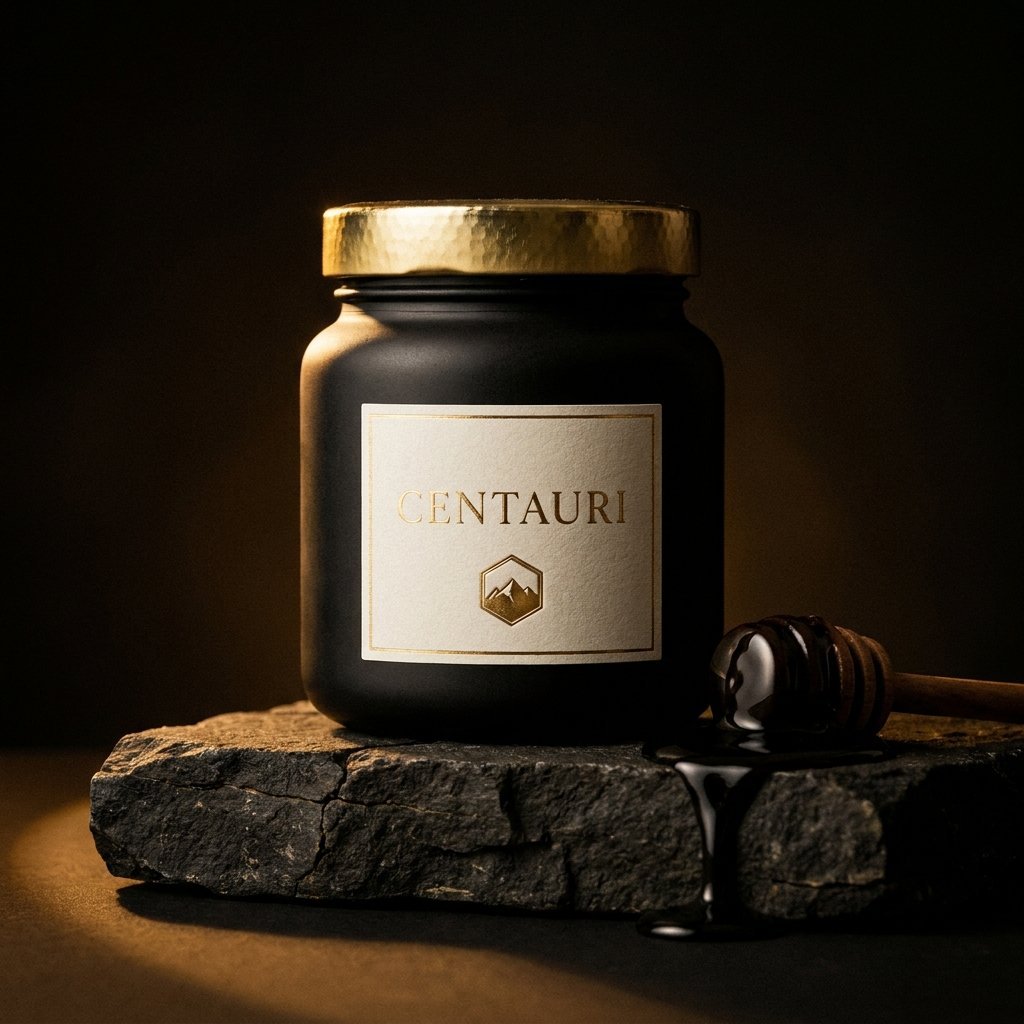
The Stone Jar
Hand-thrown black ceramic, numbered and waxed, with its certificate.
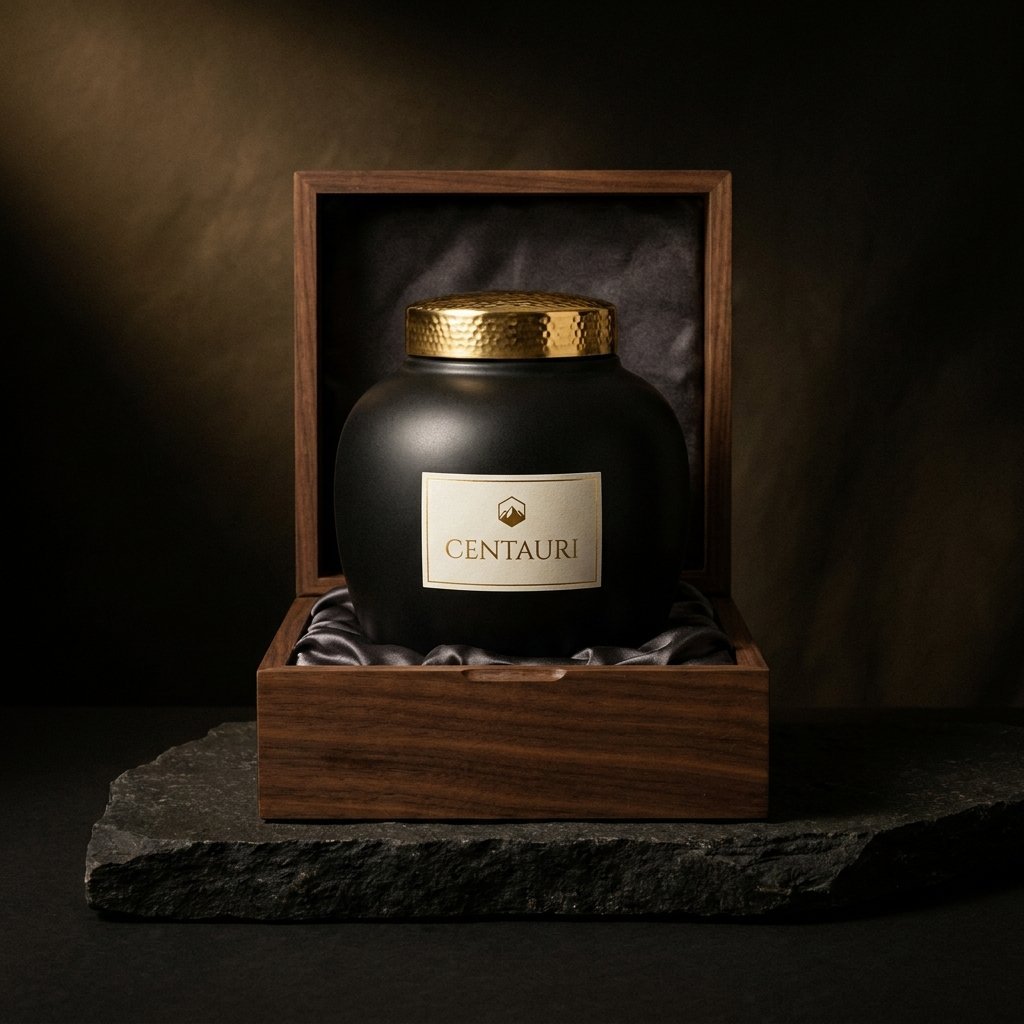
The Reserve
The record-holder’s measure. Allocation by private request.
Each allocation ships with its harvest number and independent laboratory certificate.
0 m — sea level