The House
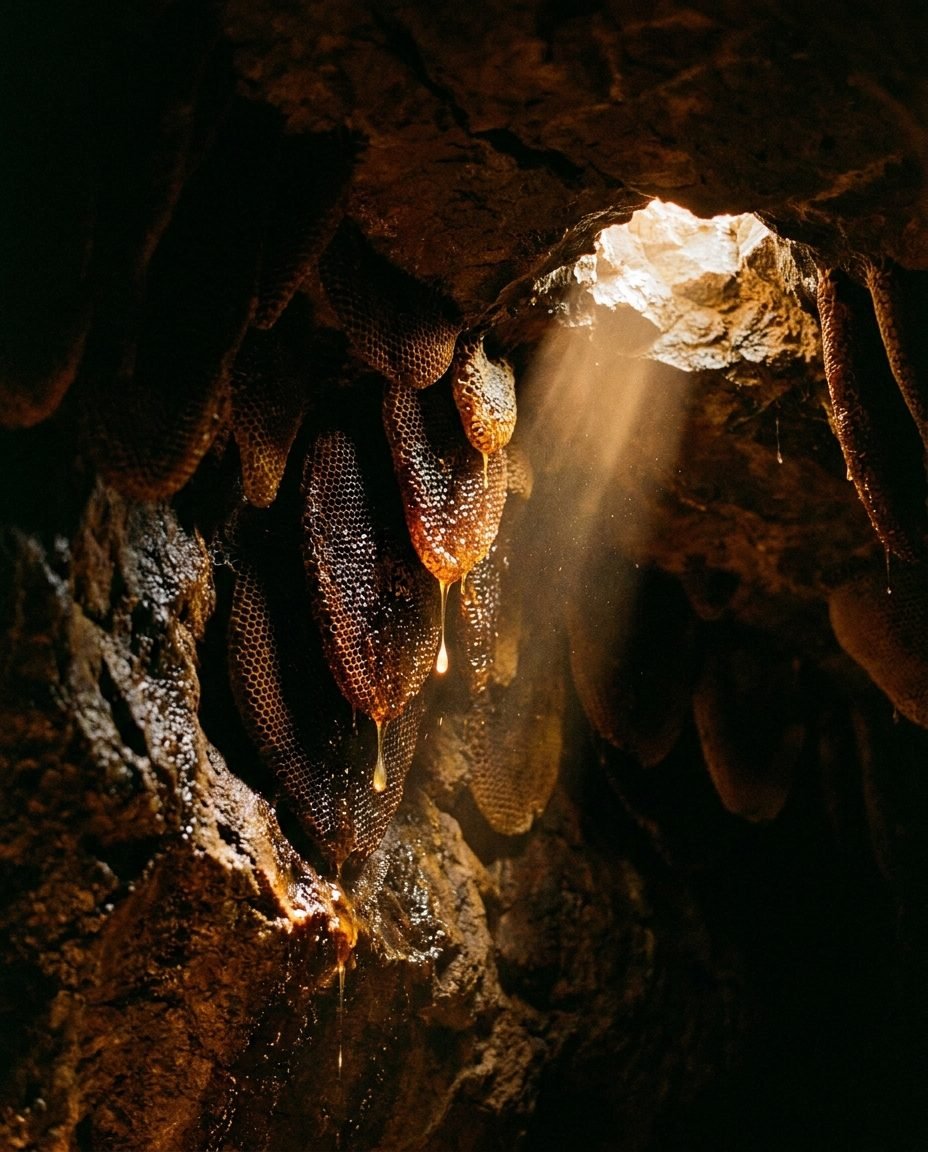
A house built around one cave.
Centauri does not farm honey. It waits for it.
Who we are
Beekeepers second. Mountain people first.
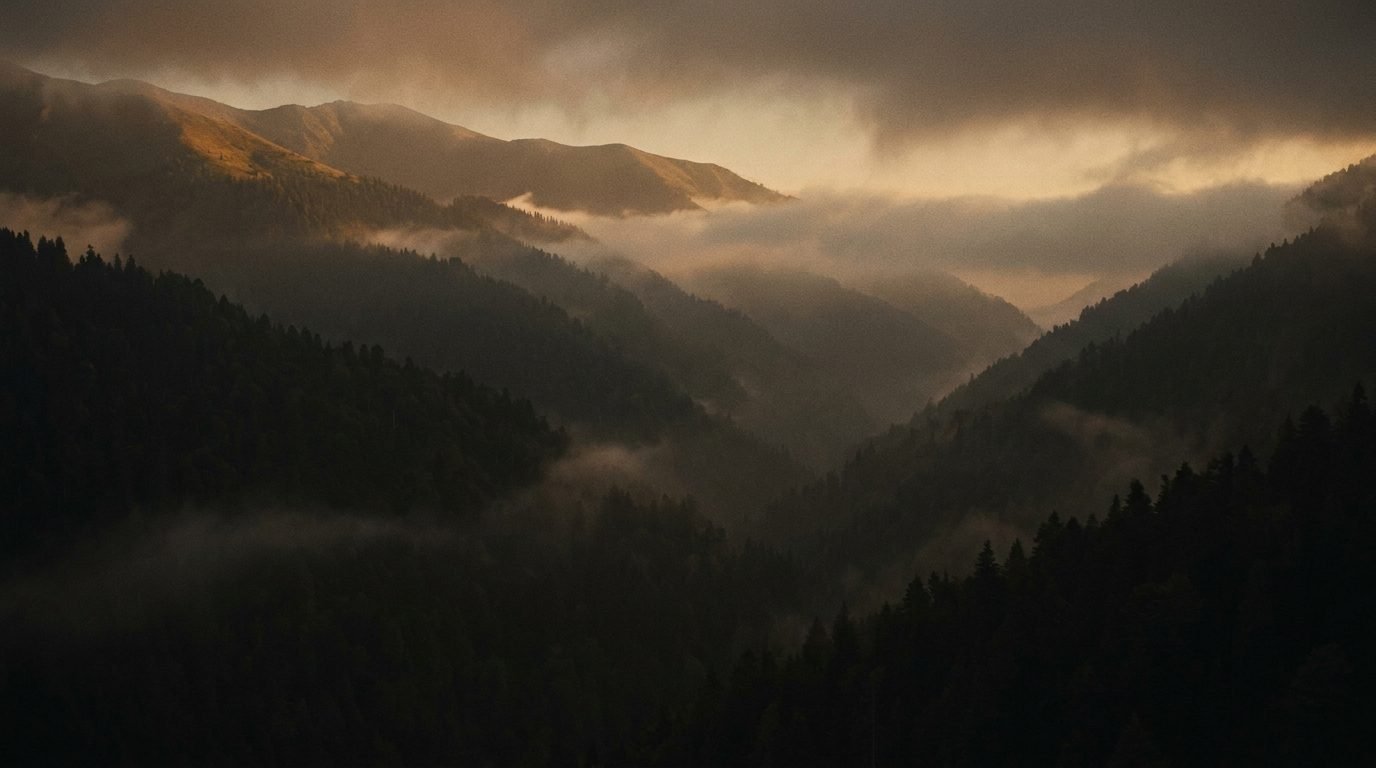
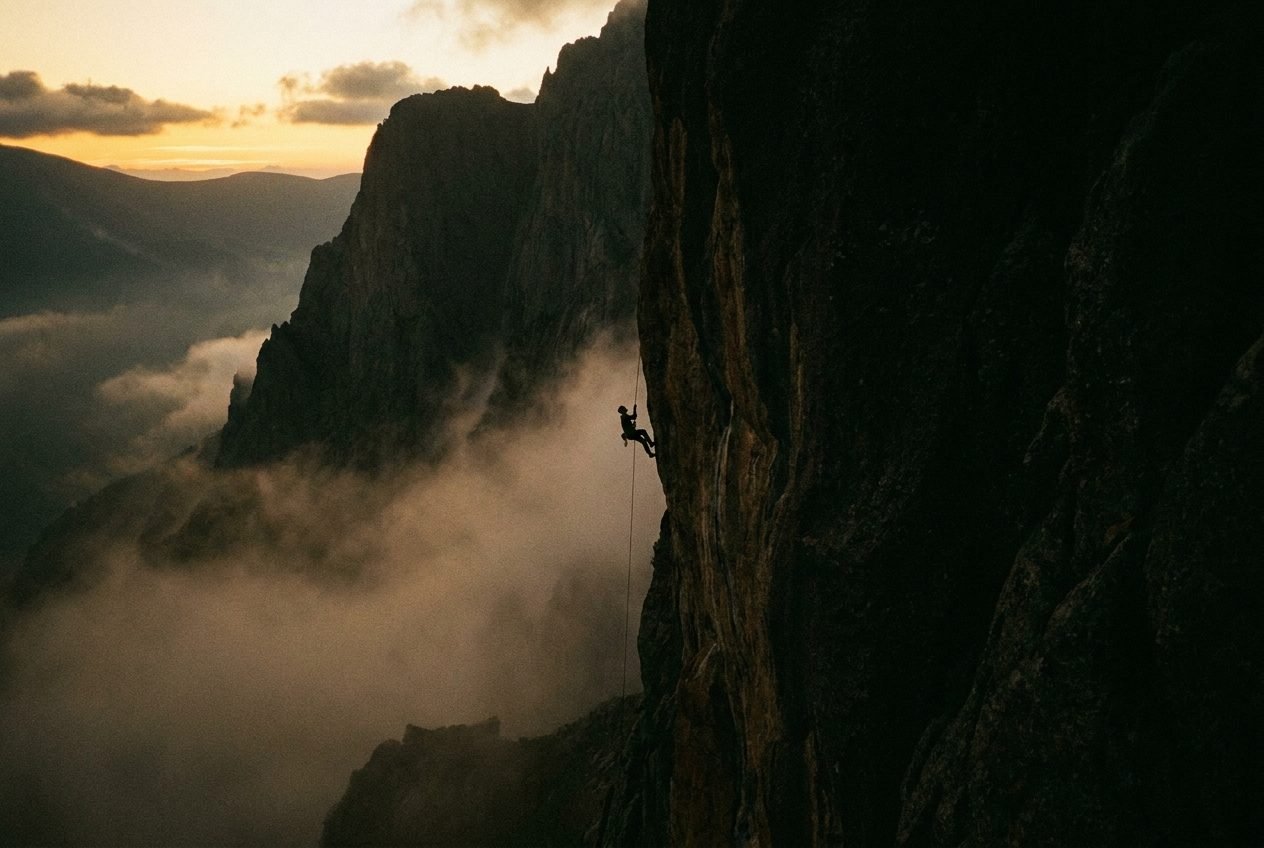
The house was founded by highland families of the Kaçkar range who grew up watching wild colonies vanish into rock no one could reach. Where others saw a curiosity, they saw the last honey on earth made entirely without people.
Years of survey climbs mapped the caves where colonies persist. Almost all were left exactly as found. One cave was chosen — high enough, cold enough, far enough — and around that single cave, everything else was built: the rope team, the laboratory protocol, the numbered jars.
The years
Slowly, then once a year.
-
2017
The search
First survey climbs across the high Kaçkar valleys, following shepherds’ accounts of honey seeping from rock.
-
2019
The cave
The colony at 2,500 metres is documented and left alone for a full cycle — the pattern every harvest still follows.
-
2021
The record
Guinness World Records recognises the harvest as the most expensive honey on earth — €10,000 per kilogram.
-
2023
The proof
The laboratory protocol becomes permanent: every batch analysed independently before a single jar is filled.
-
2026
The allocation
The harvest is divided into ten numbered measures, from a single vial to the year’s one Harvest Share.
What we hold to
Three rules, kept yearly.
No intervention
No feeding, no smoke, no treatment, no relocation. The colonies live as they did before we found them — or we have nothing to sell.
Proof over story
Every claim on this site is either measured by an independent laboratory or it is not made. Each jar carries its own certificate.
Scarcity kept honest
The colony keeps its winter store, always. If a year’s cut is small, the allocation is small. We do not borrow from the bees.